
TMJ Treatment in Richardson, TX
Jaw pain, clicking, and morning headaches are not something you have to live with. At Loveable Smiles, Dr. Korenman takes time to understand what is happening in your jaw before recommending anything.
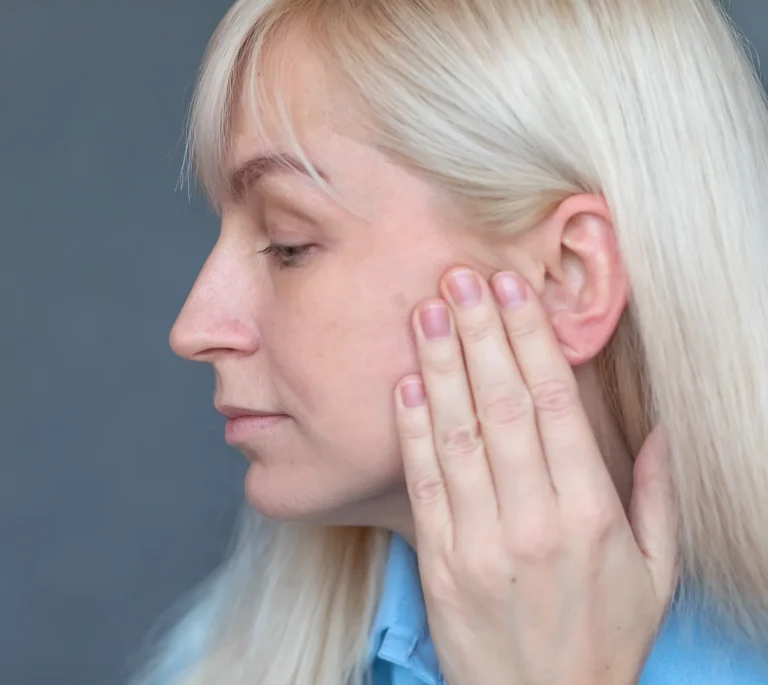
A Calmer Path to TMJ Relief in Richardson
Most people who come in for TMJ Treatment in Richardson TX have been dealing with the same set of symptoms for a while. A jaw that clicks when they yawn. Tension headaches that show up before lunch. Teeth that feel sore in the morning, as if they spent the night working. By the time they sit down in the chair, they usually have a theory about what is wrong and a worry that the fix will be complicated.
Dr. Korenman starts with a conversation. He asks when the pain began, what makes it worse, and whether you grind or clench during the day or at night. He looks at how your teeth come together, listens to the joint as it moves, and uses the in-house 3D NewTom VG3 cone-beam scanner when a closer look at the joint and surrounding bone is warranted. None of that happens before you have explained what you are feeling in your own words.
If a conservative approach is the right call, we say so. If your case is outside what general dentistry handles well, we say that too, and we help you find the right specialist. Honest answers come first, treatment second.
What Causes TMJ Pain and Why It Shows Up When It Does
The temporomandibular joint is the hinge that connects your lower jaw to your skull, just in front of each ear. It is one of the most active joints in the body. You use it to talk, chew, swallow, and yawn thousands of times a day, and it depends on a small disc of cartilage to glide smoothly. When that disc shifts, when the muscles around the joint stay tight for too long, or when your bite forces the joint to work harder on one side, symptoms start to appear.
The triggers we see most often in Richardson patients are nighttime clenching, daytime stress, an uneven bite, and old dental work that has changed how the teeth meet. Some people notice the pain after a long stretch of deadlines at work. Others trace it back to a car accident or a sports injury years earlier. A few have had the clicking since their teens and only sought help once the headaches started.
TMJ symptoms also overlap with other conditions. Ear pain, sinus pressure, and neck tension can all feel related, and sometimes they are. That is one reason Dr. Korenman takes the time to map the joint in three dimensions when the symptoms warrant it, rather than guessing from the outside.
How We Evaluate the Jaw Joint Before Recommending Treatment
The first visit is mostly listening and looking. Dr. Korenman asks about your medical history, your sleep, your stress patterns, and any prior dental work. He checks how wide your mouth opens, whether the jaw deviates to one side as it opens, and how the joint sounds and feels through the motion. He examines the muscles of the jaw, temples, and neck for tenderness and asks you to bite down on thin marking paper so he can see exactly where your teeth are making contact.
When the exam suggests something deeper is going on, the cone-beam CT gives a three-dimensional view of the joint, the condyle, and the bone around it. That image takes seconds and stays in-house, so you are not sent across town for a separate appointment. It also tells us whether the problem is muscular, structural, or a combination, which changes the treatment plan.
After the exam, you get a plain-language explanation of what we found and what your options are. If a nightguard is likely to solve the issue, we say so. If we think your bite needs adjustment, or if restorative work like crowns or orthodontics would help long term, we explain why and what each step would involve. You leave with a written treatment plan and clear fees before any work begins.

What TMJ Treatment at Loveable Smiles Actually Includes
Most TMJ cases respond to conservative care, and that is where we start. A custom-fitted nightguard is often the first step, especially when grinding or clenching is part of the picture. The appliance is made from impressions of your teeth and adjusted at a follow-up visit so it sits comfortably and protects the joint while you sleep. We also talk through habits that may be feeding the problem, like daytime clenching at the computer or chewing on one side after an old tooth started hurting.
When the bite itself is contributing, treatment may include selective adjustment of how the teeth meet, replacement of worn or broken restorations, or, in some cases, orthodontic movement to bring the bite into better alignment. For patients who have lost tooth structure from years of grinding, restorative work such as crowns and bridges can rebuild the height of the bite and take pressure off the joint. None of that is recommended casually. Dr. Korenman walks through why each step is on the table, what it costs, and what happens if you choose to wait.
Aftercare is part of the plan. Dr. Korenman calls every patient the evening after a procedure to check in, and he gives out a direct number. If your jaw feels different a week later, or your nightguard needs a small adjustment, you call and we see you. That kind of follow-through is part of how TMJ care actually works, because the joint changes as the muscles relax and the bite settles.
Using Your PPO Insurance for TMJ Care
Coverage for TMJ treatment varies more than most dental services. Some PPO plans cover the diagnostic exam, imaging, and a nightguard as standard dental benefits. Others classify TMJ care under medical insurance, which can mean a separate claim and a different deductible. A handful of plans exclude TMJ care entirely. We work with most PPO dental plans, and we will look at your specific benefits before treatment so you know what is covered and what is not.
If part of your care is not covered, we talk through it up front. You will see the fee for each step in writing, and we can discuss payment options before you decide to move forward. The goal is no surprises at checkout. For more on the plans we work with, see our page on dental insurance in richardson tx.

Why Treating TMJ Pain Early Protects the Rest of Your Mouth
Untreated TMJ problems rarely stay in one place. The teeth take the brunt of nighttime grinding and start to flatten, chip, or crack. Old fillings fail sooner. Crowns wear through. Over years, the bite collapses a few millimeters, and what started as a clicking joint becomes a full restorative case. Catching the problem while it is still mostly muscular, or while a nightguard can still protect the teeth, saves you from the larger work that comes later.
Relief also tends to show up in places you did not expect. Patients tell us their morning headaches faded within a few weeks. They sleep through the night without waking up clenched. The shoulder tension they assumed was from their desk job eased once the jaw stopped working overtime. None of that is guaranteed, and outcomes depend on the cause and how consistently you wear the appliance, but the pattern is common enough that we mention it.
If you have been putting this off, that is fine. We hear those stories every week, and we do not lecture or shame anyone for the gap. Come in, tell us what is going on, and we will go from there. You can also read more about our approach to restorative dentistry in richardson tx or meet our practice through the dentist in Richardson TX page.
Talk Through Your Jaw Pain with Dr. Korenman
If your jaw clicks, locks, or aches most mornings, call Loveable Smiles in Richardson and tell us what is going on. We will listen first, examine carefully, and explain your options in plain language before any treatment is scheduled.