
Invisalign in Richardson, TX
Clear aligners that move your teeth quietly, without metal brackets and wires. We will walk you through the plan, the timeline, and the fee in plain language before you commit to anything.
What to Know About Invisalign Before You Start
Most people who ask about Invisalign in Richardson TX want the same two things: straighter teeth and a process that fits an adult life. They do not want a mouth full of brackets for two years, and they do not want to be surprised by the bill halfway through treatment. That is the conversation we start with.
Dr. Korenman has been an Invisalign Preferred Provider for years, and he has more than three decades of clinical experience behind every treatment plan he writes. He will look at your bite, your gums, and your goals, then tell you whether Invisalign is the right tool for what you want to fix. If a different approach makes more sense, he will say so.
We see a lot of patients who had braces as teenagers and watched their teeth drift back over the years. We also see adults who never had orthodontics and are finally ready. Both are common. Neither is a problem.
How Invisalign Actually Moves Your Teeth
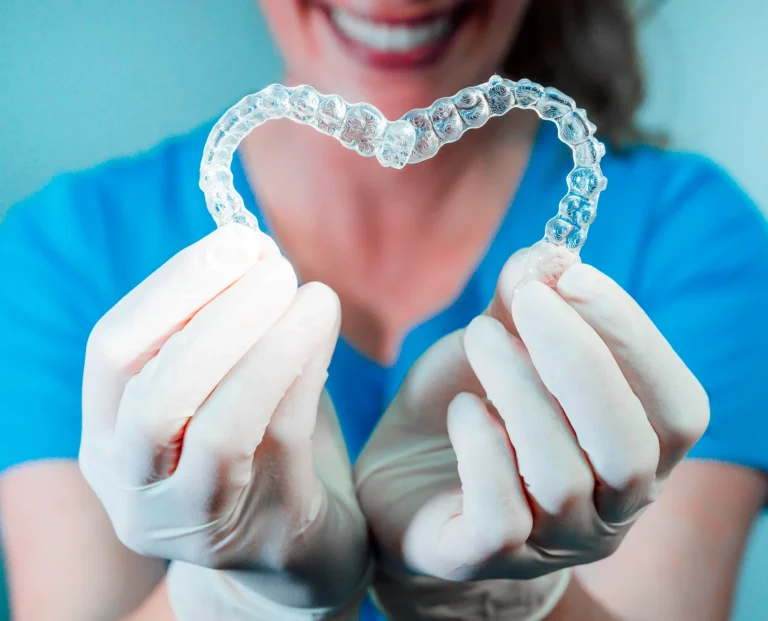
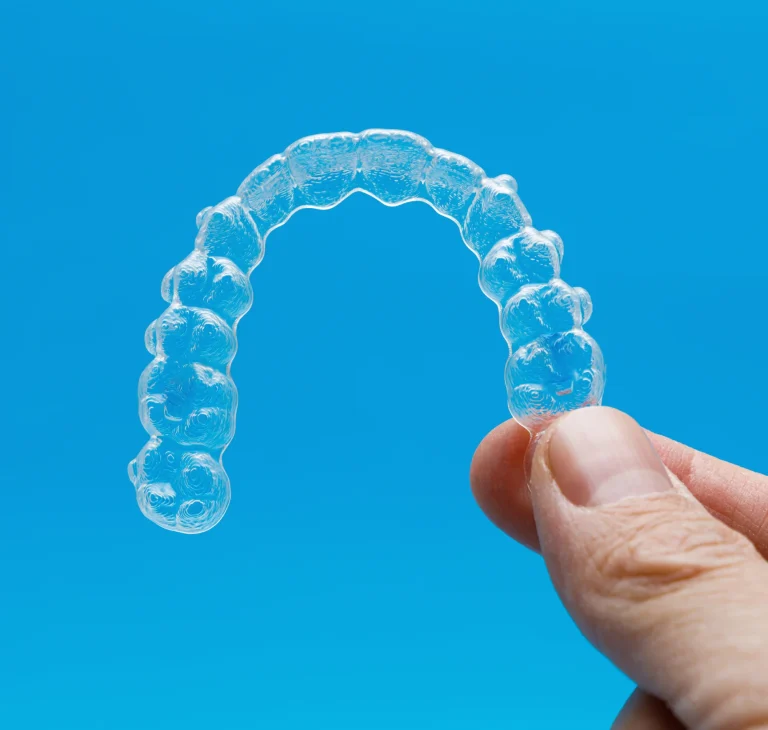
Invisalign uses a series of clear, custom-made aligners. Each one is shaped a little differently from the last, and each one nudges specific teeth a fraction of a millimeter in a planned direction. You wear a set for about one to two weeks, then swap it for the next in the series. Over months, the small movements add up to the final result.
We start with a digital scan instead of a traditional impression. The scan builds a 3D model of your teeth on screen, and Dr. Korenman uses it to map out the full sequence of movements from where your teeth are now to where they should end up. You see the projected outcome before any aligner is made.
Most cases also use small tooth-colored attachments. They look like tiny bumps bonded to a few teeth, and they give the aligners something to grip when a tooth needs to rotate or tip in a specific way. They come off when treatment ends.
Who Invisalign Works Well For (and Who Should Consider Other Options)
Invisalign handles a wide range of cases now: crowding, spacing, mild to moderate bite issues, relapse after childhood braces, and many rotations. For most adults in Richardson, Plano, Garland, and North Dallas who want to straighten their teeth without metal, it is a reasonable first option to discuss.
It is not the right tool for every case. Severe bite corrections, large vertical movements, and certain jaw alignment problems can need traditional brackets or a combined approach. Dr. Korenman, a Richardson, TX dentist, will tell you honestly which category you fall into. If you want a side-by-side comparison, our page on Invisalign vs Braces in Richardson TX walks through the trade-offs.
Compliance matters more with aligners than with braces. The trays only work when they are in your mouth, which means 20 to 22 hours a day, taken out for meals and brushing. If that sounds workable to you, Invisalign is usually a good fit. If you know you would forget to put them back in, we will have that conversation up front.
Healthy gums and teeth come first. If you have active decay or gum disease, we treat that before any orthodontic movement starts. That sometimes means a visit for Dental Fillings in Richardson TX or a course of periodontal care before aligners are ordered.
What's Included in Invisalign Treatment at Loveable Smiles
Your treatment starts with a consultation and a careful look at your teeth, bite, and gums. If Invisalign looks like a fit, we capture a digital scan and, when needed, use our in-house 3D NewTom VG3 cone-beam CT for a more complete view of the roots and bone. Dr. Korenman uses all of that to design the plan.
Once the plan is approved, your full series of aligners is manufactured and shipped to the office. We see you for short check-ins every six to ten weeks to confirm the teeth are tracking, hand off the next sets of trays, and adjust attachments if needed. Most adult cases run between six and eighteen months, though shorter and longer plans both exist.
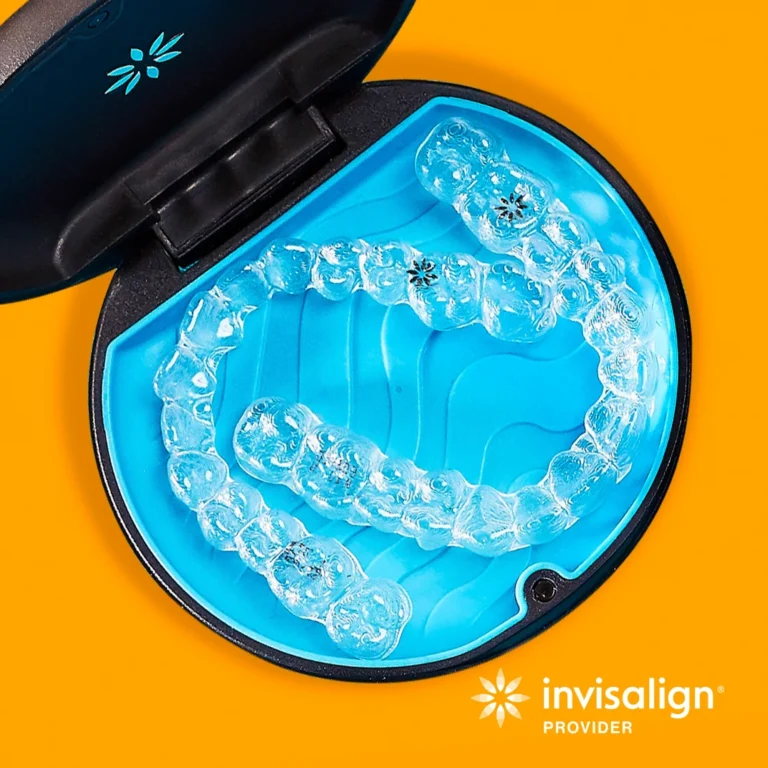
When the last aligner comes out, treatment is not quite finished. Teeth want to drift back, so retainers are part of the deal. We will fit yours and explain the wear schedule. You can read more about that on our page for Retainers in Richardson TX.
Throughout treatment, you get the same follow-up every Loveable Smiles patient gets: a direct number to reach Dr. Korenman, on-time appointments because we do not overbook, and a no-judgment chair if life gets busy and you fall behind on wear time. We would rather hear about it and adjust than have you avoid the office.
Invisalign, PPO Insurance, and Payment
We work with most PPO dental insurance plans. Many include an orthodontic benefit that applies to Invisalign the same way it would apply to braces, often a lifetime maximum that covers part of the treatment. We will check your plan before you start and tell you what it actually pays, not a vague estimate.
If you do not have orthodontic coverage, or if your benefit only covers a portion, we offer financing options so the cost can be spread over the months of treatment instead of paid all at once. For a fuller breakdown of fees, payment plans, and what affects the total, see Cost of Invisalign in Richardson TX.
Whatever the number ends up being, you will see it in writing before any aligner is ordered. No surprise charges later. That is the same policy we apply to every treatment in the office.
What Straighter Teeth Actually Change
Straight teeth are easier to clean. Floss reaches where it should, brushes get full coverage, and the small spots where decay and gum inflammation usually start become less of a problem. Over years, that adds up to less restorative work and fewer surprises at checkups.
A corrected bite also takes pressure off individual teeth. When the bite is uneven, certain teeth wear faster, chip more easily, and can crack. Spreading the load evenly is one of the quieter benefits of orthodontic treatment, and it matters more the longer you keep your natural teeth.
And yes, most patients also like how their teeth look at the end. That is a real part of why people start, and we are not going to pretend otherwise. We just want the function and the appearance to land in the same place.
Common Questions About Invisalign in Richardson, TX
How long does Invisalign treatment take?
Most adult cases run between six and eighteen months, though shorter and longer plans both exist. You wear each set of aligners for about one to two weeks, then move to the next set in the series. You see the projected outcome from your digital scan before any aligner is made.
How many hours a day do I wear the aligners?
Plan on 20 to 22 hours a day. The trays come out for meals and brushing, then go right back in. Aligners only move teeth while they are in your mouth, so wear time is the part of treatment you control.
How often do I come in during treatment?
Short check-ins every six to ten weeks. At each visit we confirm your teeth are tracking, hand off your next sets of trays, and adjust attachments if needed.
How much does Invisalign cost?
The cost of Invisalign in Richardson TX usually lands between $5,000 and $7,500 for a full course of treatment, and most cases at Loveable Smiles start around $5,000. That covers the digital scan, your full series of aligners, the check-in visits during treatment, and a set of retainers when you finish. You see the fee in writing before any aligner is ordered.
Does dental insurance cover Invisalign?
Many PPO plans include an orthodontic benefit that applies to Invisalign, usually a lifetime maximum, often in the range of $1,000 to $2,500. We work with most PPO dental insurance plans and will check yours before you start, so you know the dollar amount it covers. If you do not have orthodontic coverage, monthly payment plans can spread the fee across the months of treatment.
Is Invisalign right for every case?
Invisalign handles crowding, spacing, mild to moderate bite issues, relapse after childhood braces, and many rotations. Severe bite corrections, large vertical movements, and certain jaw alignment problems can need traditional brackets or a combined approach. If you have active decay or gum disease, we treat that before any aligners are ordered.
What happens when treatment is finished?
Retainers. Teeth tend to drift back toward where they started, so we fit your retainers and explain the wear schedule. Most patients wear them full time at first and then move to nighttime wear, which is the long-term plan for most people.
Talk to Dr. Korenman About Invisalign
Bring your questions, your concerns, and any past orthodontic history. We will look, listen, and tell you in plain language whether Invisalign is the right move for your teeth.