
Full Mouth Reconstruction in Richardson, TX
When years of wear, missing teeth, old dental work, or pain have stacked up, rebuilding the mouth in stages is often the most honest path forward. Dr. Korenman maps the whole picture first, then explains what is urgent, what can wait, and what is optional.
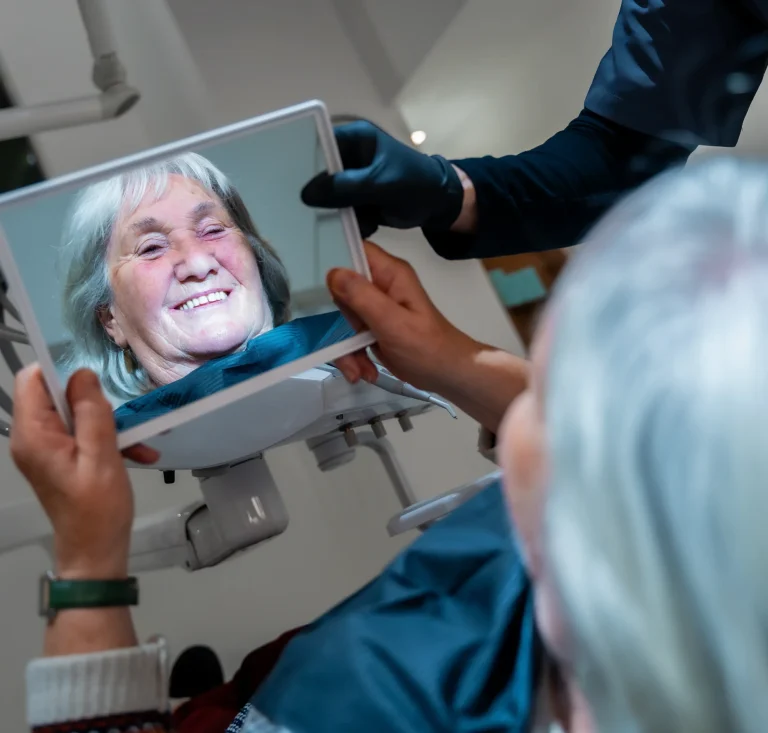
Rebuilding a Worn or Broken-Down Bite, Tooth by Tooth
Full Mouth Reconstruction in Richardson TX is what we call it when a patient needs more than one or two repairs to get back to a comfortable, functional mouth. It might be a combination of crowns, implants, gum treatment, a root canal, and a new bite relationship. It is rarely one procedure. It is a sequence, planned in the right order so each step supports the next.
People who end up here usually did not plan for it. A crown failed. A back tooth was lost years ago and the others started drifting. Teeth grinding wore the edges down until the bite collapsed. Maybe there were several years away from the dentist, and now the list feels long.
We hear those stories every week, and we do not lecture or shame anyone for the gap. Dr. Korenman has done this kind of staged rebuilding for more than thirty years. The first visit is a careful look and a conversation, not a sales pitch. You will leave knowing what is going on in your mouth, in plain language, and what the choices actually are.
How a Full-Mouth Rebuild Is Planned and Sequenced
A reconstruction starts with diagnosis, not drilling. We take a full set of images, including a 3D scan with our in-house NewTom VG3 cone-beam CT, so the jawbone, sinuses, nerves, and existing roots are mapped in three dimensions. That scan matters because it tells us whether an implant site has enough bone, whether a tooth that looks salvageable actually is, and how the upper and lower jaws are meeting.
From there, Dr. Korenman builds a written plan that lists every tooth and every recommended step. Some things are urgent: active infection, a fractured tooth, a failing crown over decay. Some are structural: replacing missing teeth so the bite stops shifting. Some are cosmetic and can wait until the foundation is solid. You see the whole plan on one page, with fees attached, before any work begins.
Sequencing usually goes in a predictable order. Stabilize the gums and treat any infection first. Extract teeth that cannot be saved and place bone grafts where implants will go later. Restore the back teeth so the bite has support, then move forward to the front teeth where appearance matters most. Implants, crowns, veneers, and a night guard often all play a role by the end.
Not every case takes a year. Some are finished in a few months. The honest answer depends on healing time after extractions or grafting, whether implants are part of the plan, and how many appointments you want to spread the work across.
Who Tends to Need a Full Reconstruction
The patients we see for this fall into a handful of patterns. The first is heavy wear from grinding, often years of it, where the back teeth are flattened and the front teeth have chipped down. The bite has lost height, the jaw muscles are sore, and old fillings are cracking. A nightguard alone will not fix what has already been lost, though one will protect the new work.
The second pattern is several missing or failing teeth at once. A patient may have lost molars years ago, had a bridge that failed, and now the remaining teeth are tilting and overloaded. Replacing teeth with implants, sometimes with bone grafting first, restores the chewing surfaces and stops the slow collapse.
The third is the patient who avoided the dentist for a long stretch and now has multiple cavities, gum disease, and a couple of broken teeth all at once. There is no judgment in that chair. We sort the list into what is urgent, what is structural, and what is optional, and we tell you which is which.
If your situation is simpler than what is described here, a full reconstruction is probably not what you need. When something is outside what makes sense for your mouth, we say so.
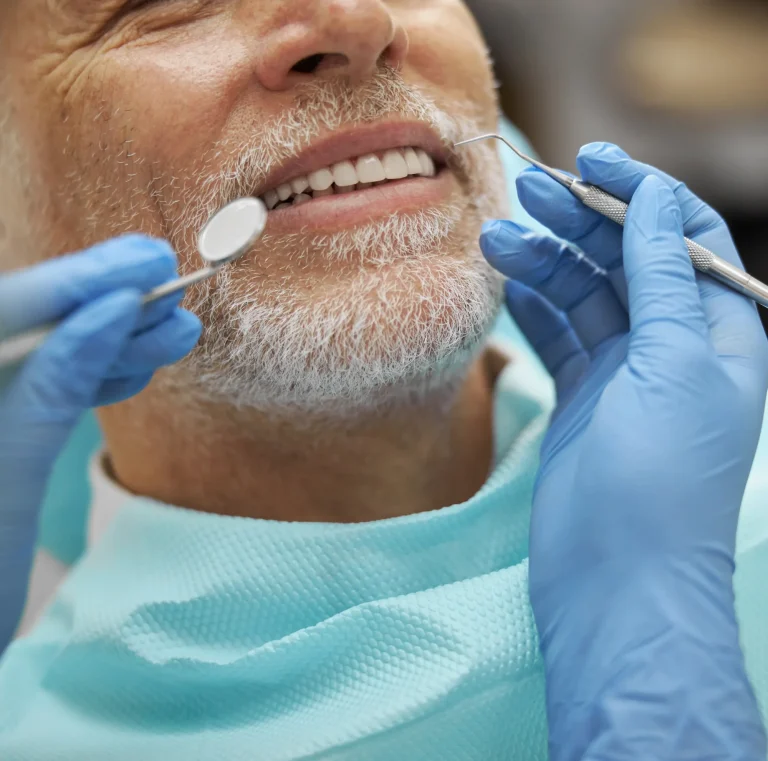
What Your Reconstruction Plan Includes
Every plan is built from the same set of building blocks, combined to fit the mouth in front of us. Most reconstructions include some mix of the following:
Diagnostic workup with the cone-beam CT, intraoral photos, and bite records. Periodontal treatment to get the gums healthy before restorative work begins, which may include scaling and root planing. Extractions of teeth that cannot be saved, and bone grafting at those sites when implants are planned. Implants to replace missing teeth, single units or full-arch depending on what is left. Crowns and bridges to restore broken-down teeth and rebuild the chewing surfaces. Root canal therapy where a tooth has a healthy structure but an infected nerve. Cosmetic work like porcelain veneers or whitening on the front teeth once the foundation is set. A custom nightguard to protect the finished work from grinding.
You will not be guessing about cost as we go. Fees are listed on the written plan, phase by phase, and we confirm them again before each phase starts. If something changes during treatment, which occasionally happens once we are deeper into a tooth, we stop and talk it through before adding anything.
After larger procedures, Dr. Korenman calls each patient the same evening to check in, and he gives out a direct number. Some people call that old-fashioned. We call it the way dentistry should work.
Insurance, Phasing, and Paying for the Work Over Time
A full reconstruction is a significant investment, and almost no PPO dental insurance plan covers it as a single benefit. What insurance does cover is the individual procedures inside the plan: a crown, an extraction, a root canal, periodontal treatment, sometimes a portion of implant work. We submit those claims for you and apply the benefits as they come in.
Loveable Smiles works with most PPO dental insurance plans. Before treatment begins, our team runs a benefits check and shows you what your plan is likely to pay on each line item, what your annual maximum is, and what will fall to you out of pocket. If your maximum resets in January, we will often phase the work across two benefit years on purpose so more of it is covered.
For the portion not covered by insurance, we can talk through financing options at the consultation. The point is that you see real numbers before saying yes to anything. More about how we handle coverage is on our Dental Insurance in Richardson TX page.

What a Finished Reconstruction Actually Changes
The honest measure of a successful reconstruction is not how the photos look. It is whether you can chew on both sides again, whether your jaw stops aching at the end of the day, and whether you stop hiding your teeth when you talk. Those are the things patients mention months later when they come in for a cleaning.
Outcomes vary based on bone health, gum health, hygiene at home, and whether a nightguard is worn if grinding is part of the picture. Crowns, implants, and veneers are designed to last for many years with reasonable care, but they are not maintenance-free. We will tell you what to watch for and what to expect over time.
Dr. Korenman is the only dentist in the region to receive the North Texas Business Ethics Award from the Dallas Business Journal. That matters here because a reconstruction takes trust over many appointments. You should feel like the person planning your care is telling you the truth about what you need and what you do not.
Start with a Conversation, Not a Treatment Plan
Come in for a careful look and an honest discussion about what your mouth actually needs. You will leave with the diagnosis, the options, and the fees in plain language, before any work begins.