
Dentures in Richardson, TX
If you have lost several teeth, or all of them, dentures are still one of the most practical ways to eat, speak, and smile again. We will explain your options in plain language and quote the fees before any work begins.
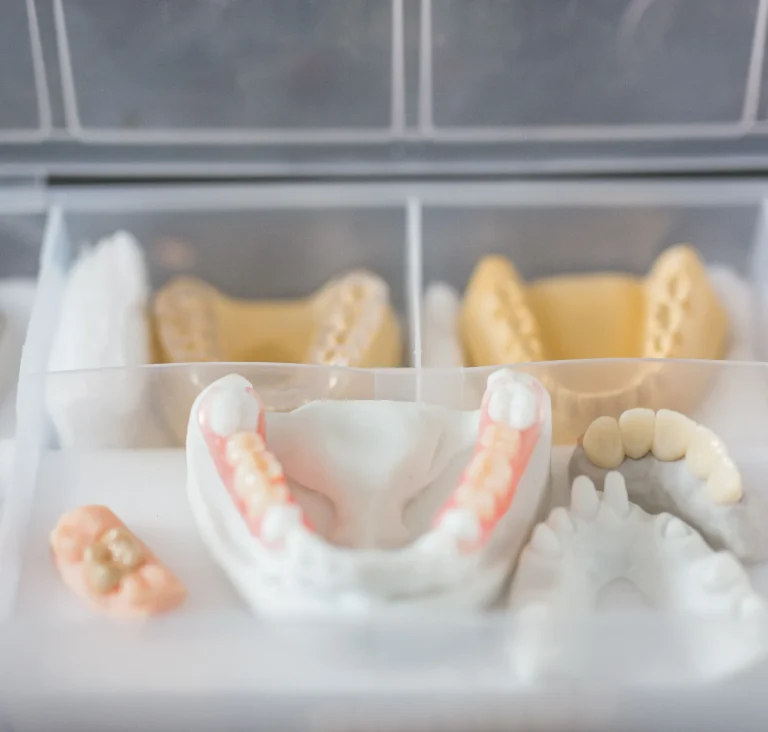
An Honest Look at Dentures in Richardson TX
People come to Loveable Smiles asking about dentures in Richardson TX for a lot of different reasons. Some have worn the same set for fifteen years and the fit has changed. Some are facing the loss of their last few teeth and want to know what comes next. Some have been hiding their smile for so long that they have stopped going to events, and they are ready to be done hiding.
Whatever brought you in, Dr. Korenman will sit down and listen first. He wants to know what is bothering you, what you have already tried, and what you are hoping a denture can do. Only after that does he start talking about materials, fit, or whether implants might be a better long-term answer for your situation.
We work with conventional full dentures, partial dentures, and implant-retained options. Each one solves a different problem, and the right choice depends on how much bone you have, how your bite has changed, and what you can comfortably maintain at home. We will walk through all of it before any decisions are made.
Full Dentures, Partials, and Implant-Retained Dentures Explained
A full denture replaces every tooth on the upper arch, the lower arch, or both. It rests on the gums and is held in place by suction, by the shape of your ridge, and sometimes by a small amount of adhesive. For many patients this is the most affordable path back to a complete smile, and a well-made set can last years with regular checks and relines.
A partial denture is for patients who still have some healthy natural teeth. It clasps onto those teeth and fills in the gaps, which helps keep the remaining teeth from drifting. Partials are often a good bridge while you decide whether to pursue implants later, and they can be modified if your situation changes.
Implant-retained dentures sit on top of two to four dental implants and snap into place. They do not slip when you eat, and they protect the jawbone from the shrinkage that happens after teeth are lost. If you have struggled with a lower denture that will not stay put, this is usually the conversation worth having. You can read more about that path on our pages for dental implants and All-on-4 implants.
Who Is a Good Candidate for Dentures and When to Consider Implants Instead
Dentures are a fit for adults who have lost most or all of the teeth in an arch, or who have remaining teeth that cannot reasonably be saved. They are also a fit for patients who want a faster, less invasive path than full implant reconstruction, and for patients whose medical history makes surgery a poor option. None of that is a lesser choice. It is the right choice for plenty of people.
There are situations where we will tell you a different route is worth considering. If your lower jaw has significant bone loss and a traditional lower denture will not stay seated, two implants to anchor an overdenture often changes daily life more than a new set of dentures will. If you still have a number of strong natural teeth, a partial or a few crowns and bridges may serve you better than removing what you have.
Dr. Korenman will tell you what is urgent, what can wait, and what is optional. If something is outside our scope, we say so. The goal of the consultation is for you to leave with a clear picture of your choices, not a sales pitch for the most expensive one.
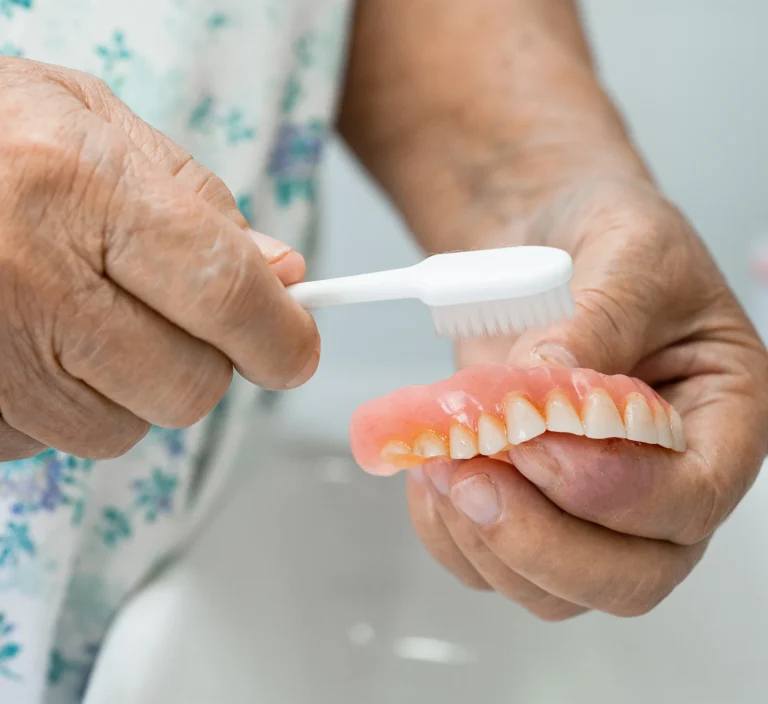
What the Denture Process Looks Like from First Visit to Final Fit
The first visit is a careful look at your mouth and a conversation about what you want. We take digital records and, when we are planning around implants, use our in-house NewTom VG3 cone-beam scanner so the bone is mapped in three dimensions before any surgical step. You will get a written treatment plan with the fees laid out before any work begins.
From there, the process depends on the type of denture. A conventional denture involves impressions, a bite registration, a wax try-in so you can see the shape and shade before anything is finalized, and then delivery of the finished prosthesis. If teeth need to come out first, we plan the timing carefully so you are not without a smile during healing. An immediate denture can often be placed the same day as extractions.
After delivery there are almost always small adjustments. New dentures take time to learn, and sore spots are normal in the first weeks. We schedule follow-up visits to fine-tune the fit, and Dr. Korenman calls each patient the evening after a procedure to check in. You will also have a direct number to reach him if something is not right.
Paying for Dentures and How PPO Insurance Usually Helps
Most PPO dental plans include some coverage for dentures, often as a major service at fifty percent after your deductible, with an annual maximum that caps the benefit. Plans vary, and some require a waiting period before they will pay for a prosthesis. We will check your specific plan and tell you in plain language what it covers and what it does not, before treatment starts.
For the portion that is not covered, we offer financing options so the cost can be spread out rather than paid all at once. If implants are part of your plan, the implant portion is quoted separately, and we will go through every line of the estimate with you. No surprises at checkout. If you would like to look into your benefits ahead of your visit, our dental insurance page has more on the carriers we work with.
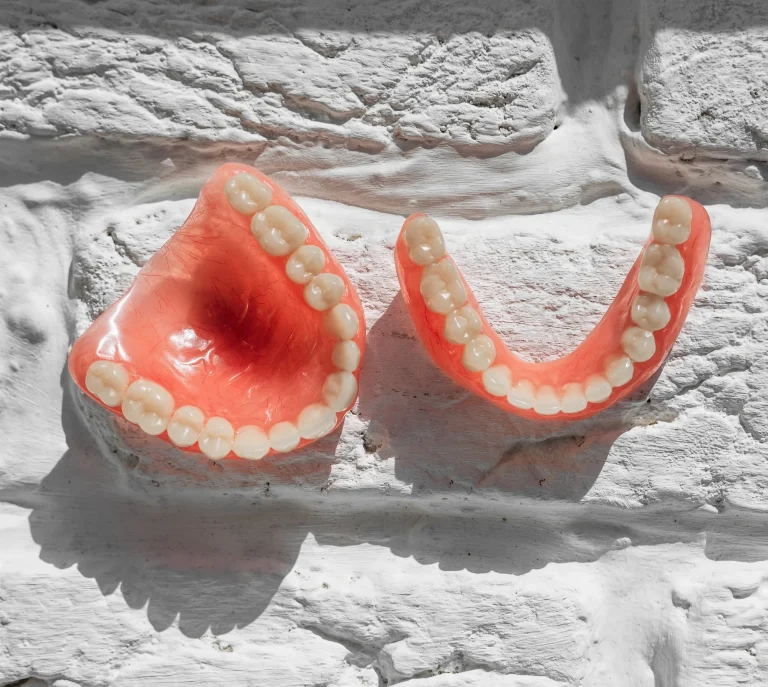
What Well-Fitted Dentures Actually Change
A denture that fits well lets you eat foods you have been avoiding, speak without worrying about slipping, and smile in photographs without thinking about it first. Those sound like small things until you have lived without them for a while. Patients often tell us the biggest change is not cosmetic at all. It is being willing to go out to dinner again.
Dentures are not permanent in the way natural teeth are. The bone underneath continues to remodel, and most dentures need a reline every few years and a replacement somewhere around the seven to ten year mark, depending on wear and tissue changes. With regular checks and good home care, a quality set can serve you well for a long time. Implant-retained options tend to last longer because the implants slow the bone loss that loosens a traditional denture.
Talk Through Your Denture Options with Dr. Korenman
Bring your questions, your old denture if you have one, and any worries you have been carrying. We will listen first, explain your choices, and give you a written quote before any work is scheduled.