
Fluoride Treatment in Richardson, TX
A quick, in-office step that strengthens enamel and helps prevent cavities, for kids who are still building their brushing habits and adults whose teeth need a little extra help.
What Fluoride Does, in Plain Language
If you are looking into fluoride treatment in Richardson TX, you probably already know the basics. Fluoride is a mineral that hardens the outer layer of the tooth and makes it more resistant to the acids that cause decay. What you might not know is whether you actually need it at your age, whether it is worth the extra few minutes in the chair, and what it costs. We try to answer those questions before we recommend anything.
At Loveable Smiles, fluoride is not something we add to every visit by default. Dr. Korenman looks at your cavity history, your current risk, your diet, and what your home routine looks like. If a fluoride application makes sense, he says so and explains why. If it does not, he says that too.
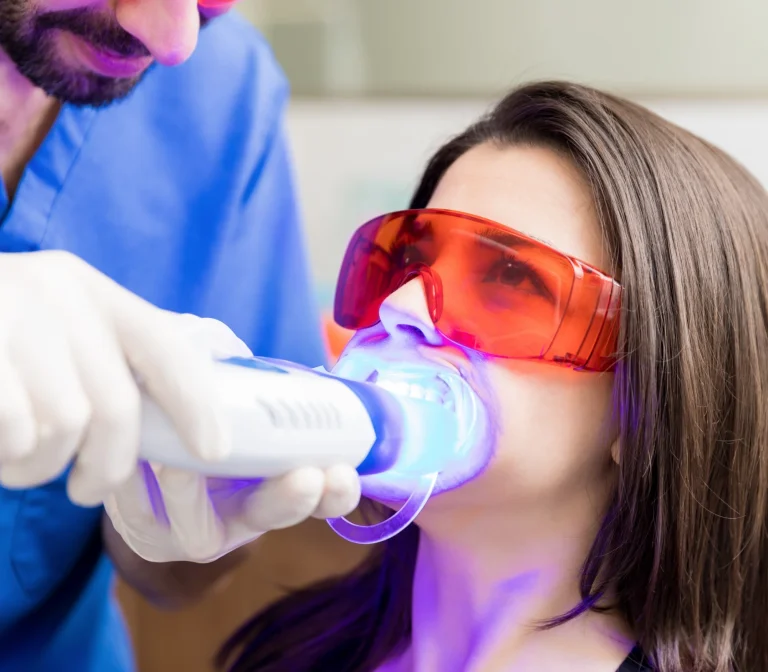
The treatment itself is short. A varnish or gel is brushed onto clean, dry teeth after your hygiene appointment, and it stays put for a few hours while it does its work. No needles, no drilling, no recovery time. Most patients are back to their day within minutes.
How a Fluoride Application Actually Works at Your Visit
The application usually happens at the end of a cleaning, once the hygienist has removed plaque and tartar and the surfaces of your teeth are smooth. A small amount of fluoride varnish is painted directly onto the enamel with a soft brush. It takes under a minute.
The varnish has a slightly tacky feel for the first hour or two, and we ask that you skip crunchy foods, hot drinks, and alcohol-based mouthwash for the rest of the day. That gives the fluoride time to bond to the enamel rather than wash off. You can drink water right away, and most people eat a normal meal a few hours later.
Children sometimes get a flavored foam tray instead of varnish, depending on age and cooperation. Either method delivers the same active ingredient. The choice is about comfort, not effectiveness, and we will ask before we pick one.
Who Benefits Most from Fluoride, and How Often
Kids between ages six and sixteen are the classic candidates. Their adult teeth are still mineralizing during those years, and fluoride applied at routine cleanings gives that process a measurable boost. If your child is in this window, we will usually suggest fluoride at each six-month visit.
Adults are a different conversation. If you have a history of frequent cavities, dry mouth from medication, gum recession that exposes root surfaces, recent orthodontic work, or you are wearing aligners or a retainer most of the day, fluoride at your cleanings can lower your risk in a noticeable way. If your teeth have been stable for years and your home care is solid, you may not need it at all.
We also pay attention to specific situations: patients going through chemotherapy or radiation, patients with acid reflux, and patients who sip coffee or soda throughout the day. In those cases, in-office fluoride paired with a prescription-strength toothpaste at home is often the right combination. Dr. Korenman will walk through the reasoning with you before anything is added to your treatment plan.
What's Included When Loveable Smiles Applies Fluoride
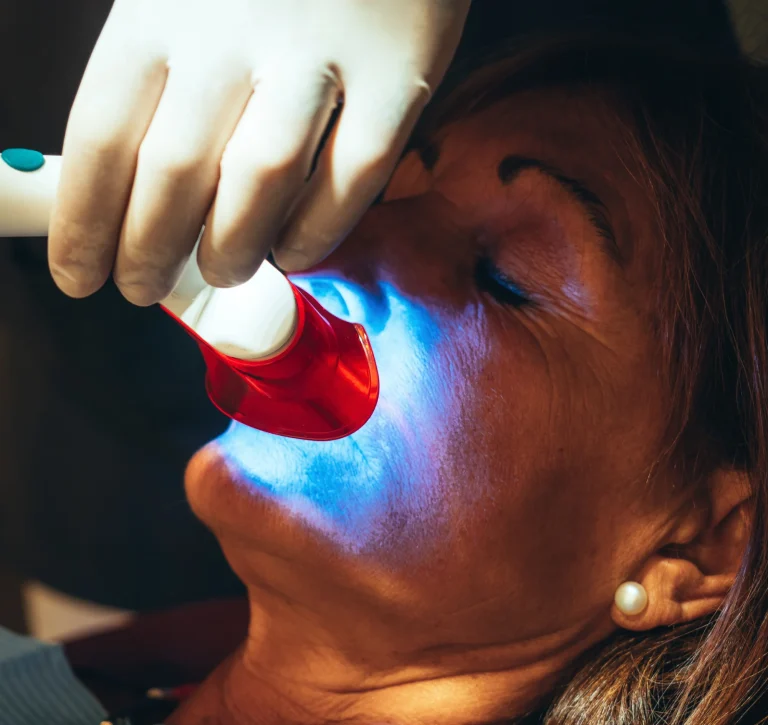
Fluoride is almost always paired with a hygiene visit, so what you are really getting is a full preventive appointment. That includes a cleaning, an exam by Dr. Korenman, any updated imaging that is due, and a careful look at the soft tissues. The fluoride step comes at the end and adds only a few minutes.
Before the application, we will talk through what is going on at home: how often you brush, what kind of toothpaste you use, whether you floss, whether you snack between meals, and whether you are dealing with dry mouth or sensitivity. That conversation shapes what we recommend, including whether a take-home rinse or prescription paste would be useful between visits.
After the visit, you get the same follow-up every Loveable Smiles patient gets. Dr. Korenman calls the evening after a procedure to check in, and you have a direct number if a question comes up later. Fluoride is a small treatment, but the way we run the practice does not change based on how big the appointment was.
Why a Few Minutes of Fluoride Is Worth It
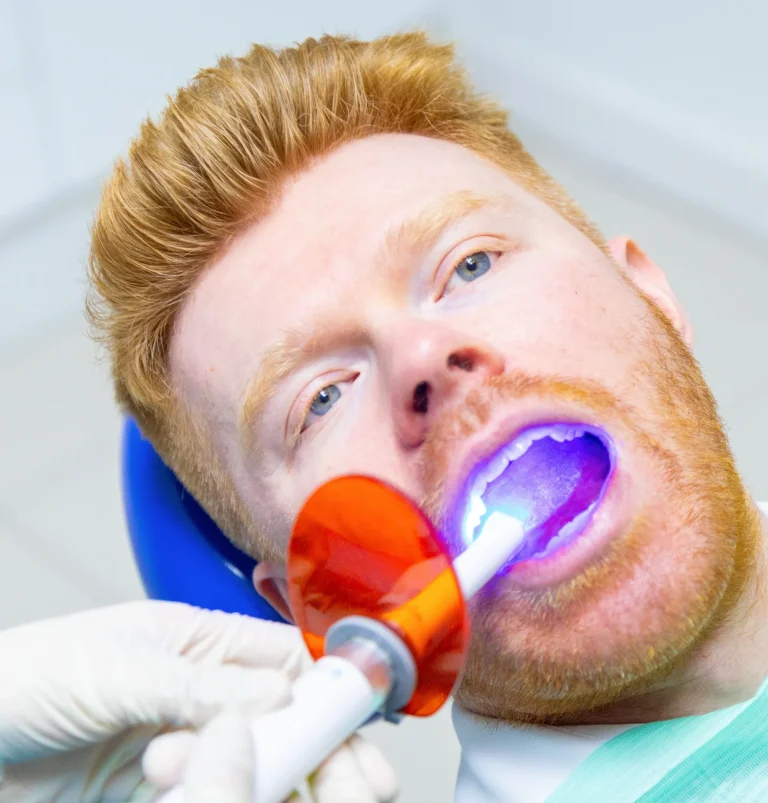
Fillings, crowns, and root canals all start with a cavity that was small once. Fluoride does not undo decay that is already there, but it does make new decay less likely, and it can stop very early demineralization from progressing. For a patient who is cavity-prone, that is the difference between a routine cleaning and a restorative appointment six months later.
It also pairs well with the other preventive care we offer. Many of our patients combine fluoride with regular dental cleanings in Richardson TX, an annual oral cancer screening, and dental sealants for kids who are getting their first set of molars. None of these are dramatic treatments. They are the boring, steady steps that keep dentistry uneventful, which is the goal.
If you want a broader sense of how preventive care fits together at our office, the family dentistry in Richardson TX page lays out what a typical year of care looks like, and the dental exams in Richardson TX page covers what Dr. Korenman is checking for at each visit.
Ask Us Whether Fluoride Makes Sense for You
Call Loveable Smiles to book a cleaning and exam, and we will talk through your cavity risk before adding anything. If fluoride is a good fit, we will explain why. If not, we will tell you that too.