
Scaling and Root Planing in Richardson, TX
A careful, non-surgical treatment for gum disease that addresses what a regular cleaning cannot reach. Dr. Korenman will walk you through what he sees, what it means, and what it costs before anything starts.
What to Know About Scaling and Root Planing in Richardson TX
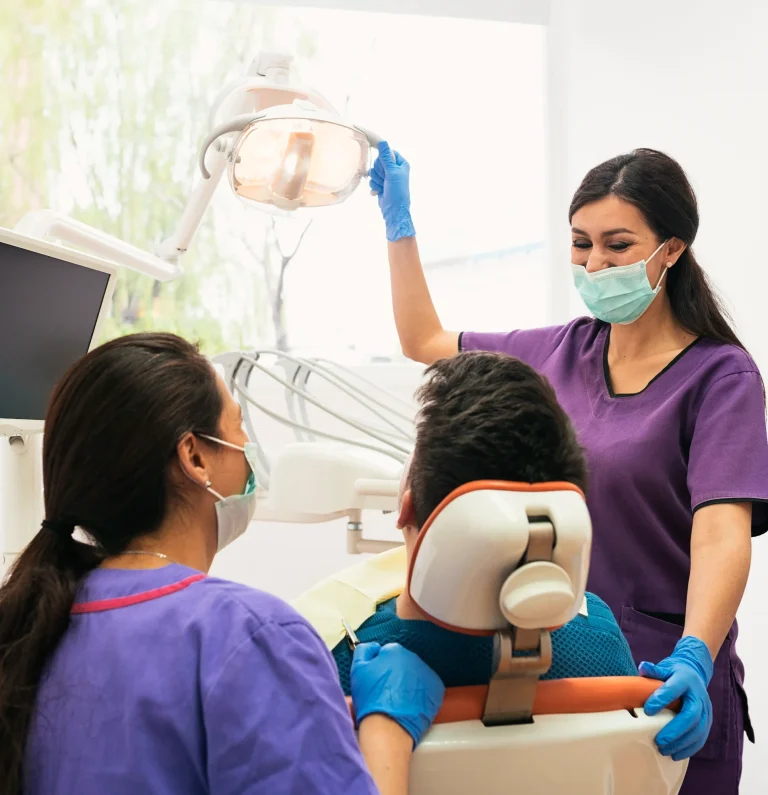
Scaling and Root Planing in Richardson TX is what we recommend when a regular cleaning is no longer enough. It is a deeper, more careful cleaning that goes below the gumline to remove hardened deposits from the surfaces of the tooth roots, then smooths those root surfaces so the gum tissue can reattach. Patients sometimes hear it called a deep cleaning or SRP. The name is less important than what it does for you.
Most people who need this treatment have early or moderate gum disease. The signs are familiar: gums that bleed when you brush or floss, persistent bad breath, gums that look puffy or have pulled back from the teeth, or pocket depths a hygienist has flagged as deeper than they should be. None of that means you have done something wrong. Gum disease is common, and we see it every week.
Dr. Korenman will look at your gums, your X-rays, and your pocket measurements before recommending anything. If a standard cleaning will do, we will tell you. If you need scaling and root planing, we will explain why, show you what we are seeing, and quote the fee before any work begins.
How Scaling and Root Planing Differs from a Regular Cleaning
A standard cleaning, the kind most people get twice a year, works above the gumline and just slightly below it. It removes plaque and tartar from the visible parts of the teeth and polishes them. That is the right treatment for healthy gums, and it is what we want for you long-term. You can read more about that on our Dental Cleanings in Richardson TX page.
Scaling and root planing is different. When gum disease has caused the tissue to separate from the tooth, a pocket forms. Bacteria and hardened deposits collect down in that pocket where a regular cleaning cannot reach. Scaling removes those deposits from the root surfaces. Root planing smooths the roots so bacteria have a harder time sticking and so the gum tissue has a clean surface to reattach to.
We use local anesthesia to numb the area before we start, so the treatment itself is comfortable. Most patients have it done one or two quadrants at a time, depending on how much area we are covering and what fits your schedule. After numbness wears off, the gums may be tender for a day or two, similar to how they feel after a thorough cleaning.
When Dr. Korenman Recommends SRP, and When He Does Not
Not every set of inflamed gums needs scaling and root planing. Some people have gingivitis, which is inflammation without bone loss, and that can often be turned around with a regular cleaning and better home care. When something is outside our scope, or when a less intensive treatment will do, we say so.
We recommend SRP when pocket depths measure four millimeters or more in multiple sites, when there is visible tartar below the gumline on X-rays, and when there are early signs of bone loss around the roots. Dr. Korenman walks you through the measurements himself so you can see what he is seeing. If you are someone who has put off the dentist for a few years, this is often the visit where we have that honest conversation. No lectures.
If the disease is more advanced and pockets are deeper than scaling can address, we may talk about Gum Surgery or refer to a periodontist. After SRP, most patients move onto a Periodontal Maintenance schedule rather than a regular cleaning, usually every three to four months, so we can keep the pockets stable.
What a Scaling and Root Planing Visit Actually Looks Like
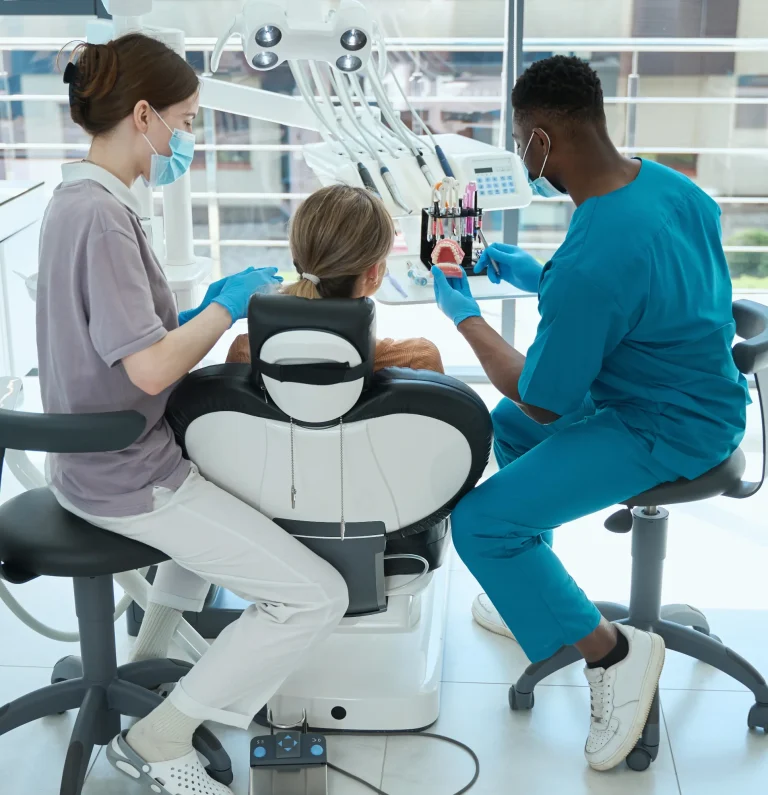
Your first visit is an evaluation, not treatment. We take updated X-rays, measure the pocket depths at six points around each tooth, and review your medical history. Dr. Korenman will sit down with you, show you the chart, and explain what each number means. If SRP is the right call, you will leave with a written treatment plan and a written fee estimate. Nothing gets scheduled until you have those in hand.
At the treatment visit, we numb the area being worked on. Using both ultrasonic instruments and fine hand instruments, we clean the root surfaces below the gumline and smooth them. We usually treat one side of the mouth at a time, which keeps you from being numb everywhere at once and makes eating afterward easier. A full mouth typically takes two visits, though we will adapt that to your case.
Afterward, Dr. Korenman calls you that evening to check in. You will also have his direct number in case anything comes up over the next few days. We will see you back in four to six weeks to re-measure the pockets and confirm the tissue is healing, and from there we set the maintenance interval that fits your gums.
How PPO Plans Usually Handle Scaling and Root Planing
Loveable Smiles works with most PPO dental insurance plans. Scaling and root planing is billed under a different code than a regular cleaning (D4341 or D4342 by quadrant), and most PPOs cover it at the periodontal benefit level once pocket depths and bone loss meet their criteria. The percentage covered varies by plan, and so does the frequency limit.
Before we schedule treatment, our front desk will pull your benefits and give you a written estimate. You will see the total fee, the portion your plan is expected to pay, and what you would owe out of pocket. If something looks off, we would rather catch it on paper than at checkout.
If you do not have insurance, ask us about payment options. We will quote the fee in plain language and tell you which quadrants are urgent and which can wait if budget is a factor. You can also read more about how we handle coverage on our Dental Insurance page.
Why Treating Gum Disease Early Is Worth It
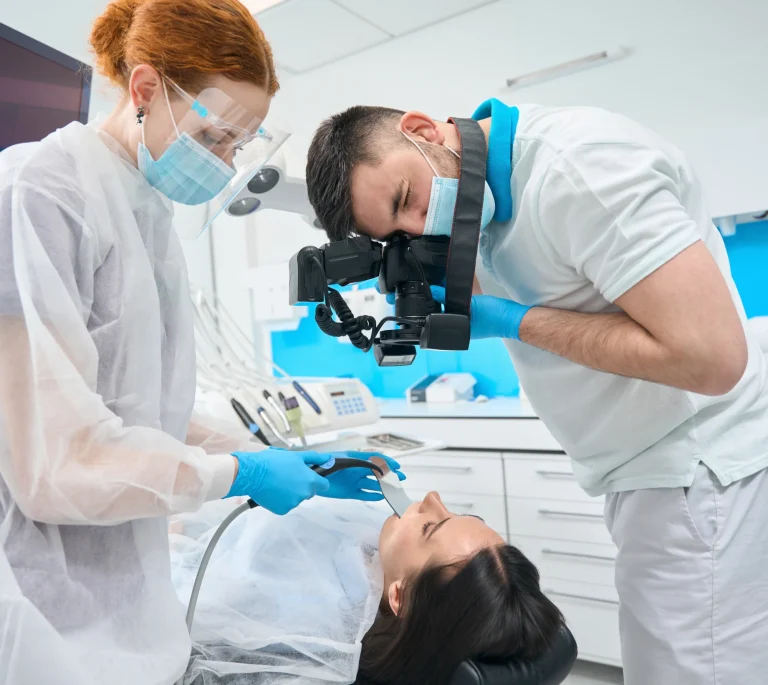
Gum disease is the leading cause of tooth loss in adults. Bone that supports the teeth does not grow back on its own once it is lost, so the goal of scaling and root planing is to stop the process before more bone is gone. Catching it at the early or moderate stage is the difference between a non-surgical treatment now and more involved work later.
There is also a quality-of-life piece that does not always come up. Patients tell us their breath improves, their gums stop bleeding when they floss, and food stops getting trapped the way it used to. Those are small things that add up. We are not promising a permanent fix, because gum health depends on home care and consistent maintenance, but SRP gives you a clean slate to work from.
If you have been holding off because you were not sure what you would hear, come in for the evaluation. We will tell you what is urgent, what can wait, and what is optional, and let you decide from there. That approach applies to everything we do, from Family Dentistry to Dental Implants.
Talk to Dr. Korenman About Your Gums
If your gums bleed when you brush, or a hygienist has mentioned deeper pockets at your last cleaning, call Loveable Smiles. We will look carefully, explain what we see, and quote the fee before any work begins.