
Root Canal Therapy in Richardson, TX
A root canal is usually the procedure that saves a tooth most patients think they are about to lose. At Loveable Smiles, Dr. Korenman explains what is happening inside the tooth, what the visit involves, and what it will cost before any instruments come out.
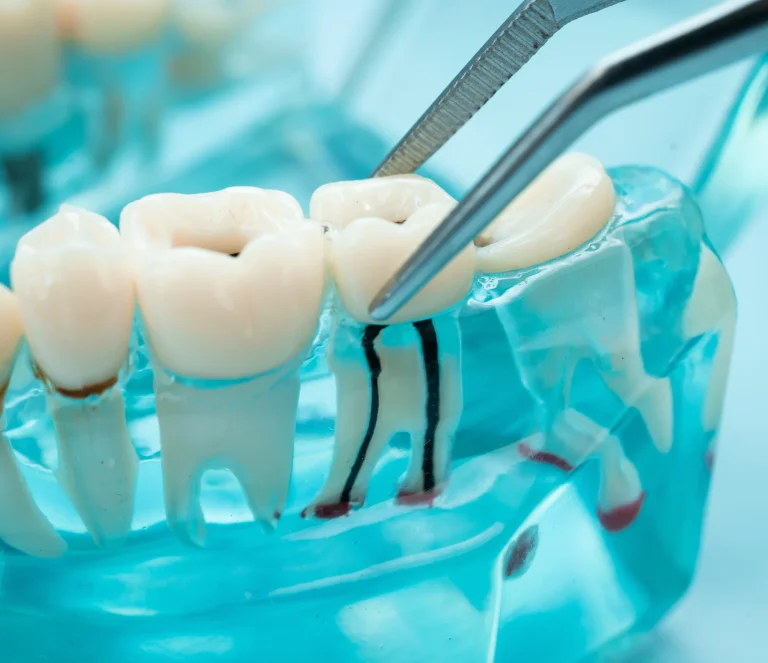
What Root Canal Therapy Actually Treats
Most people land on this page because a tooth has started hurting in a way that does not feel normal. Cold water sets it off. A bite of bread sends a jolt up the side of your face. Or the pain has moved past sharp and become a steady, dull throb that wakes you at two in the morning. Root Canal Therapy in Richardson TX is the procedure we use to treat the inside of a tooth when the nerve is inflamed or infected, and it is almost always the alternative to losing the tooth.
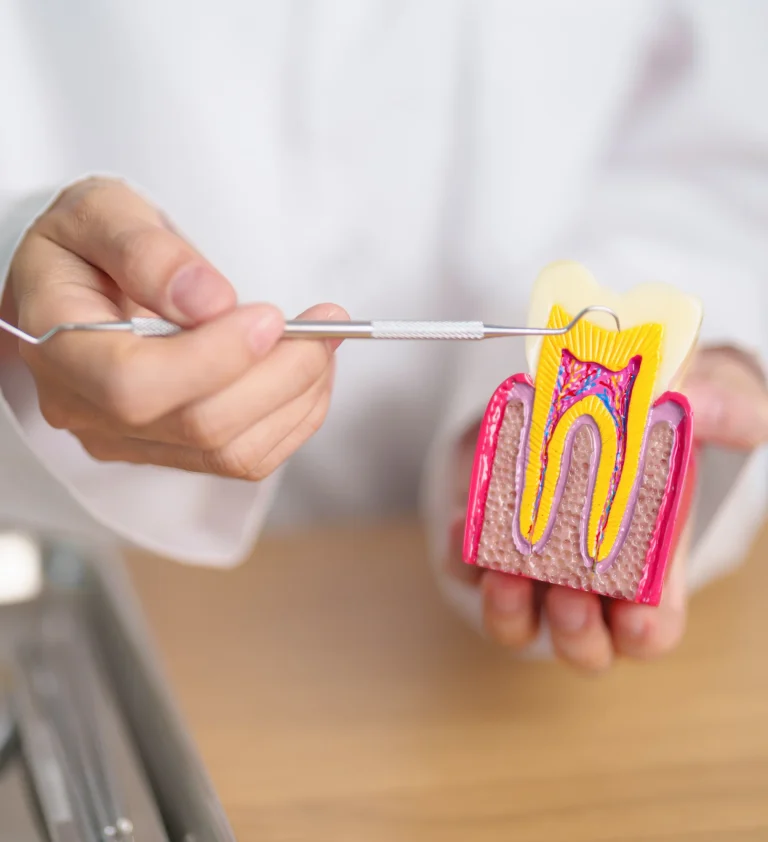
The nerve and blood vessels inside a tooth live in a small chamber called the pulp. When decay reaches that chamber, or a crack lets bacteria inside, the pulp becomes infected. The body cannot clear that infection on its own. Antibiotics can quiet it for a while, but the source has to be cleaned out for the tooth to heal.
Dr. Korenman has been doing this work for more than 30 years. He will tell you honestly whether the tooth can be saved, whether a root canal is the right call, or whether the better answer is something else. When something is outside our scope, we say so and refer.
What Happens to a Tooth During a Root Canal
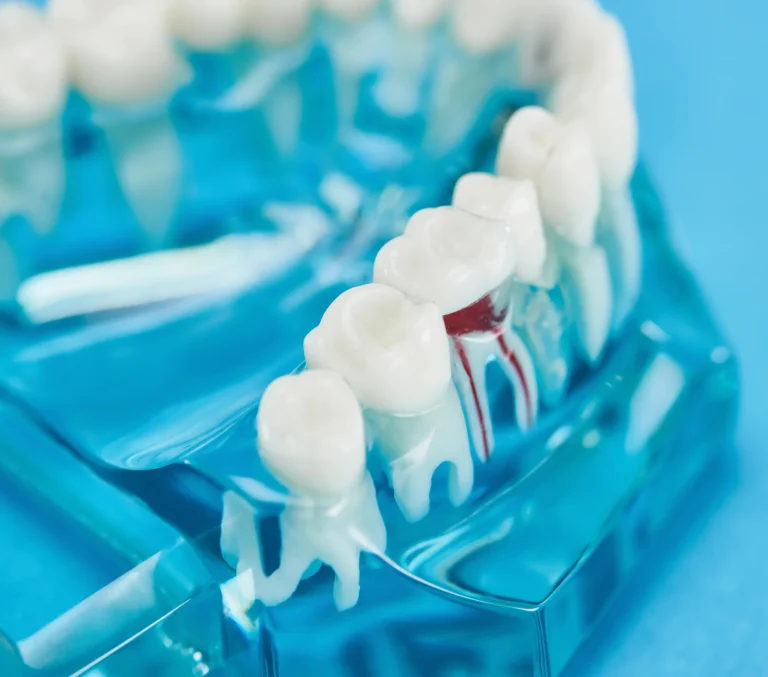
The procedure itself is more straightforward than its reputation suggests. After the tooth and the surrounding gum are numbed, Dr. Korenman opens a small access point in the top of the tooth. The infected tissue inside the pulp chamber and the narrow canals running down each root is cleaned out, the inside is disinfected, and the canals are sealed with a biocompatible filling material.
Before any of that begins, we map the tooth in three dimensions using our in-house NewTom VG3 cone-beam CT. That lets us see the shape, number, and curvature of the canals before we start, rather than discovering anatomy mid-procedure. For a lower molar with three or four canals, that planning matters.
Most root canals are completed in one or two visits, depending on the tooth and how much infection is present. You will be numb. You should not feel pain during the procedure. If you do, tell us and we adjust the anesthetic. We use sedation options for patients who want them, and we do not pressure anyone into a treatment plan they are not ready for.
After the canals are sealed, the tooth needs a permanent restoration on top. For molars and premolars that almost always means a crown, because a tooth that has had a root canal is more brittle than a healthy one. We will talk about the crown timing and cost as part of the original conversation, not as a surprise later.
Signs You May Need a Root Canal
Not every toothache needs a root canal. Sensitivity to cold that fades in a few seconds is usually something smaller, sometimes a cavity that a filling can handle. The signs that point toward the pulp being involved are more specific. Pain that lingers for thirty seconds or longer after hot or cold. Pain when you bite down or release. A tooth that aches on its own without anything touching it. A small pimple on the gum near the root. A tooth that has darkened compared to the ones next to it.
Sometimes there is no pain at all. A tooth that had a deep filling years ago, or one that took a hit during a fall or a sports injury, can quietly lose its nerve and only show up as a shadow on an x-ray. That is part of why we look at the full picture during dental exams rather than only checking the spot that hurts.
If you are reading this because you have put off the dentist for a long time and the pain finally pushed you to look, you are not in trouble with us. We hear those stories every week. We will take a careful look, tell you what is urgent, what can wait, and what is optional, and let you decide from there.
What's Included When Dr. Korenman Performs Your Root Canal
Every root canal visit at Loveable Smiles starts with a conversation about what you are worried about. That is not a marketing line. Dr. Korenman is known as The Listening Dentist because he asks first, then explains, then quotes the fee in writing, then begins. If you have had a bad experience at another office, tell him. It changes how he sequences the appointment.
The treatment itself includes the diagnostic imaging, local anesthesia, the access and cleaning of the canals, the disinfection and sealing, and a temporary filling to close the tooth until the permanent crown is placed. We will discuss the crown timing during the same visit and coordinate it through our restorative side. You can read more about that step on our page covering crowns and bridges.
The evening of your procedure, Dr. Korenman calls you at home to check in. He gives out a direct number so you are not routing through a service if something feels off overnight. Some people call that old-fashioned. We call it the way dentistry should work.
Insurance, Fees, and What to Expect on the Bill
Root canals are covered, at least in part, by most PPO dental insurance plans, and Loveable Smiles works with most PPOs. Coverage usually falls under the major services category, which means a portion is paid by the insurer and a portion is your responsibility. The exact split depends on your plan, your annual maximum, and whether you have already used benefits this year.
Before we schedule the treatment, we will run the numbers against your plan and give you a written estimate of what the root canal and the follow-up crown will cost out of pocket. No surprise charges after the fact. If financing makes the timing easier, we will walk through the options. You can also read more about how we handle coverage on our dental insurance page.
Why Saving the Tooth Is Usually Worth It
A natural tooth, even one that has had a root canal, is still your tooth. The root stays in the bone. The bone stays stimulated. The teeth on either side stay where they belong. With proper care, a tooth treated this way is designed to last for decades, and many last a lifetime. Outcomes vary based on the tooth, the restoration on top, and your home care.
The alternative to a root canal is usually an extraction, and once a tooth is out, the conversation shifts to replacement. A single tooth replacement with an implant is an excellent option when it is the right choice, but it is a longer and more involved path than saving the original tooth when saving is realistic. Dr. Korenman will tell you which path makes more sense in your specific case, and he will tell you honestly if the tooth is past the point where a root canal is worth attempting.
If you are weighing your options or you simply want a second opinion before committing to anything, that is a reasonable place to start. Loveable Smiles offers restorative dentistry in Richardson TX with the same listen-first approach across every service, from a routine filling to full-mouth work.
Common Questions About Root Canal Therapy in Richardson, TX
Does a root canal hurt?
The tooth and the gum around it are numbed first, and you should not feel pain during the procedure. If you do, tell us and we adjust the anesthetic. Sedation options are available for patients who want them.
How many visits does a root canal take?
Most root canals are completed in one or two visits, depending on the tooth and how much infection is present. Before we start, our in-house NewTom VG3 cone-beam CT maps the shape, number, and curvature of the canals, so we are not discovering anatomy mid-procedure.
Will I need a crown after a root canal?
For molars and premolars, almost always. A tooth that has had a root canal is more brittle than a healthy one, and a crown protects it. A temporary filling closes the tooth until the permanent crown is placed, and we cover crown timing and cost in the same conversation as the root canal.
Does dental insurance cover a root canal?
Most PPO dental plans cover root canals at least in part, usually under the major services category, and Loveable Smiles works with most PPOs. Before treatment is scheduled, we run the numbers against your plan and give you a written estimate for the root canal and the follow-up crown.
What happens if I put off treatment?
An infected pulp does not clear up on its own. Antibiotics can quiet it for a while, but the source has to be cleaned out for the tooth to heal. The longer a tooth waits, the more likely the conversation shifts from saving it to extraction and replacement.
How long does a tooth last after a root canal?
With proper care, a tooth treated this way is designed to last for decades, and many last a lifetime. Outcomes vary based on the tooth, the restoration on top, and your home care.
Talk to Dr. Korenman About That Tooth
If a tooth is throbbing, sensitive to hot drinks, or already keeping you up at night, call Loveable Smiles. We will take a careful look, explain what is going on in plain language, and walk through what the visit involves before any work begins.