
Restorative Dentistry in Richardson, TX
Rebuilding a tooth, or several, is rarely just about the tooth. It is about being able to chew on that side again, stop avoiding photos, and stop worrying every time something feels off.

What Restorative Care Actually Covers
Restorative Dentistry in Richardson TX is the umbrella term for the work that repairs or replaces tooth structure you have lost to decay, fracture, wear, or extraction. At Loveable Smiles, that includes fillings, crowns, bridges, root canal therapy, implants, and full-mouth rebuilds. Some of it is small. Some of it takes months. We tell you which is which before we start.
Many of our restorative patients have not been to a dentist in years. They show up because something finally broke, or because a partner gently said something, or because a cleaning at another office turned into a long list they did not understand. We hear those stories every week, and we do not lecture or shame anyone for the gap.
Dr. Korenman has practiced for more than 30 years and has spent most of that time on cosmetic, implant, and restorative work. He is the one who looks at your mouth, explains what he sees, and walks you through the choices. If something is outside our scope, we say so and refer you out.
How We Decide Between a Filling, a Crown, a Root Canal, or an Implant
The first appointment is a careful look, not a sales pitch. Dr. Korenman examines the tooth, reviews x-rays, and when the situation calls for it, uses our in-house NewTom VG3 cone-beam CT so the root, bone, and nerve can be mapped in three dimensions. That imaging matters most when an implant, a retained root tip, or a questionable root canal is on the table.
From there, the decision usually follows the structure of the tooth. A small to medium cavity in otherwise solid enamel is a filling. A tooth with a large old filling, a crack, or not much wall left is usually a crown. A tooth where the decay or fracture has reached the nerve, but the root is healthy, is a candidate for root canal therapy followed by a crown. A tooth that cannot be saved, or that is already gone, is a conversation about implants, a bridge, or a partial denture.
Dr. Korenman explains the trade-offs in plain language: how long each option tends to last, what it costs, what the visit looks like, and what happens if you wait. Then he lets you decide. If you want to do the urgent tooth now and the optional one later, that is fine. We will sort the list into what is urgent, what can wait, and what is truly optional.
Who Comes In for Restorative Work, and What They Usually Need
Most of our restorative patients fall into a few groups. There are the people who chipped or cracked a back tooth on something hard and want it fixed before it gets worse. There are the people who have been told they need a crown for years and finally want to get it done. There are the people who lost a tooth a long time ago and are tired of chewing on one side. And there are the people who want to address a mouthful of older dentistry all at once, often combining restorative and cosmetic work into a longer plan.
We see a lot of adults from Richardson, Plano, Garland, and North Dallas in the last group. They have aging crowns from the 1990s, a missing molar, some wear on the front teeth, and they want to know what a real plan looks like. For them, the conversation often touches on dental implants, crowns and bridges, and sometimes full mouth reconstruction. We sequence the work so the urgent problems are handled first, and the cosmetic finishing happens once the foundation is solid.
Anxious patients are a regular part of the practice, not an exception. If you have not been seen in five, ten, or twenty years, you are not the only one in the schedule today who fits that description. We will go at your pace, explain what each instrument does before we use it, and stop when you ask us to.
What a Restorative Visit at Loveable Smiles Includes
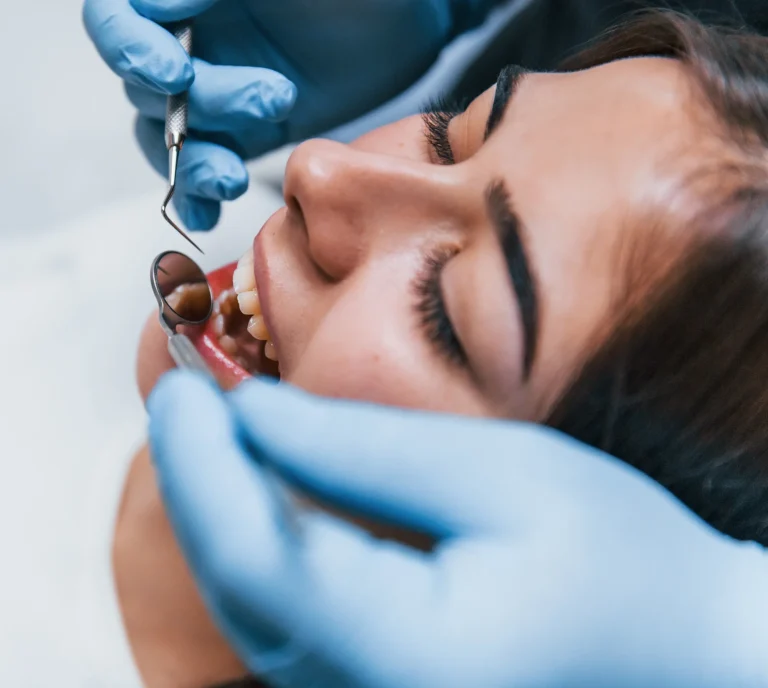
A typical first visit starts with a conversation, not a tray of instruments. Dr. Korenman asks what brought you in, what you are worried about, and what you want to be able to do or eat or stop avoiding. Then the clinical exam, the necessary x-rays, and, when indicated, the 3D cone-beam scan. After that, you sit up and we talk through findings before any treatment is scheduled.
When we quote the work, the fee is written down and explained before you commit. If insurance is involved, we estimate what your plan should cover and what your portion is likely to be. If a treatment can be done in stages to fit a budget, we will tell you which pieces are safe to delay and which are not.
On treatment days, we do not overbook. Your appointment time is your time. After any significant procedure, Dr. Korenman calls you the evening of, from his own line, to check how you are doing. He also gives out a direct number so you are not routed through a service if something comes up overnight. Some people call that old-fashioned. We call it the way dentistry should work.
Using PPO Insurance for Restorative Treatment
Loveable Smiles works with most PPO dental plans. Restorative work, including fillings, crowns, bridges, and root canal therapy, is typically covered at a percentage by PPO plans once your deductible has been met, with an annual maximum that resets each year. Implants and cosmetic finishing are covered less consistently, and some plans exclude them altogether. We will read your plan before we quote anything.
Before treatment, we give you a written estimate that shows the fee, the expected insurance portion, and your estimated out-of-pocket. If a larger plan would push you past your annual maximum, we often suggest sequencing some of the work into the following benefit year so you get two maximums instead of one. For patients without insurance, or for portions insurance does not cover, we can talk through financing options at the consultation. More detail is on our page about Dental Insurance in Richardson TX.

Why Repairing Teeth Sooner Costs Less Later
A small cavity treated this year is a filling. The same tooth in two years is often a crown. In four, it can be a root canal and a crown. In six, it can be an extraction and an implant. Each step up the ladder costs more, takes longer, and involves more visits. Catching things early is not a sales line. It is just the arithmetic of how teeth fail.
Replacing missing teeth has its own version of this. When a back tooth is gone, the teeth next to it tend to drift, the opposing tooth tends to drop, and the bone where the root used to be slowly resorbs. None of that is an emergency, but it does narrow your options later and sometimes adds bone grafting to a plan that could have been simpler.
Our goal with restorative care is straightforward: keep your own teeth as long as they are worth keeping, replace the ones that are not, and finish with a bite you can use and a smile you are comfortable with. Dr. Korenman will tell you which teeth are in which category, and he will tell you honestly.
Talk Through Your Options Before Any Work Begins
Bring your questions, your x-rays from another office, or just the thing that has been bothering you when you chew. Dr. Korenman will listen first, explain what he sees, and quote the fees in plain language before you decide anything.