
Dental Implants in Richardson, TX
Replacing a missing tooth is a real decision with real costs, and you deserve a careful answer before anyone picks up an instrument. Dr. Korenman walks through your options, your imaging, and your fees in plain language so you can decide on your own terms.
What to Expect From Implant Care at Loveable Smiles
If you are weighing dental implants in Richardson TX, you probably have a specific tooth in mind, or a partial denture you are tired of, or a back molar you lost years ago and have been quietly working around. Dr. Korenman, your dentist in Richardson, TX, starts by asking what is bothering you and what you have already tried. The clinical plan comes after that conversation, not before it.
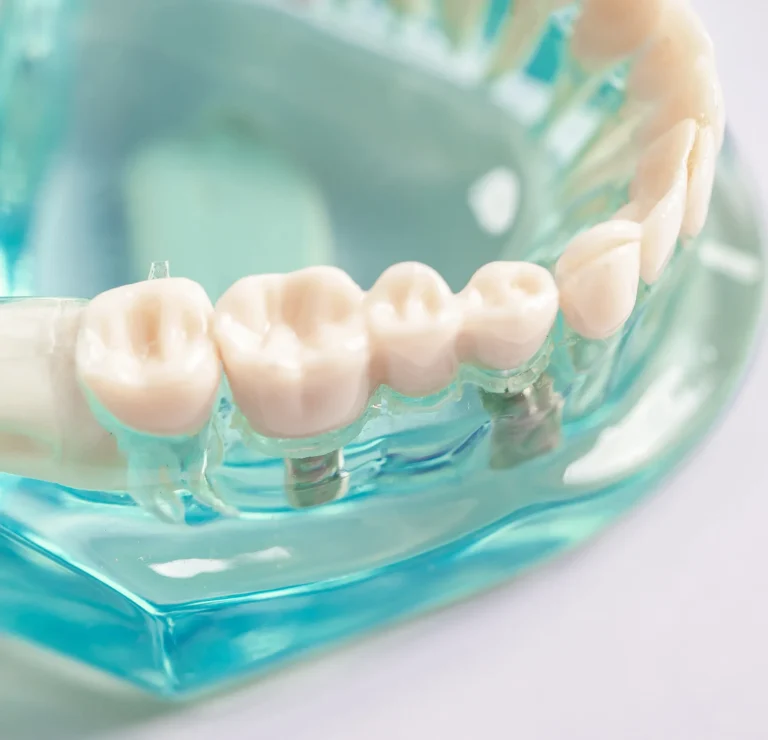
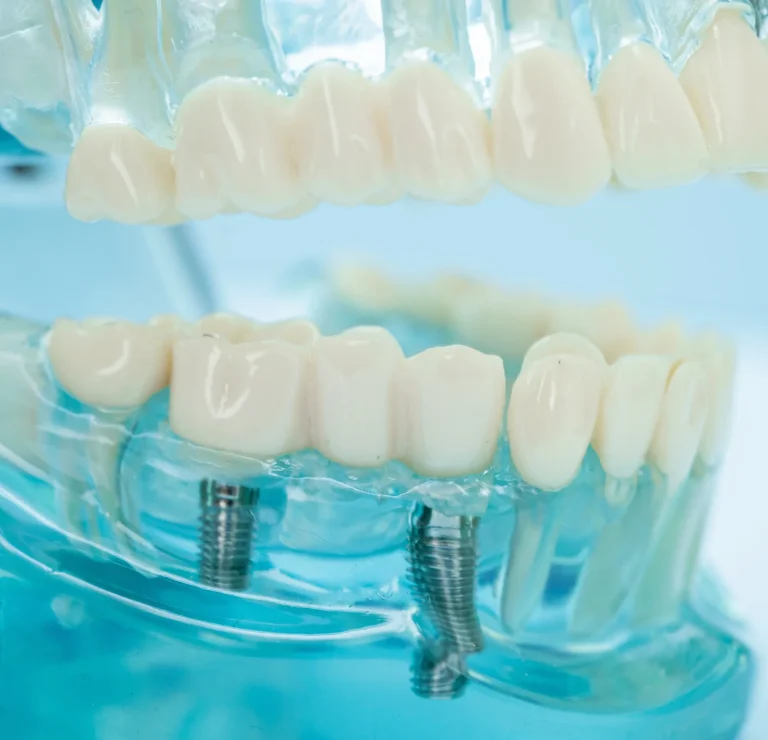
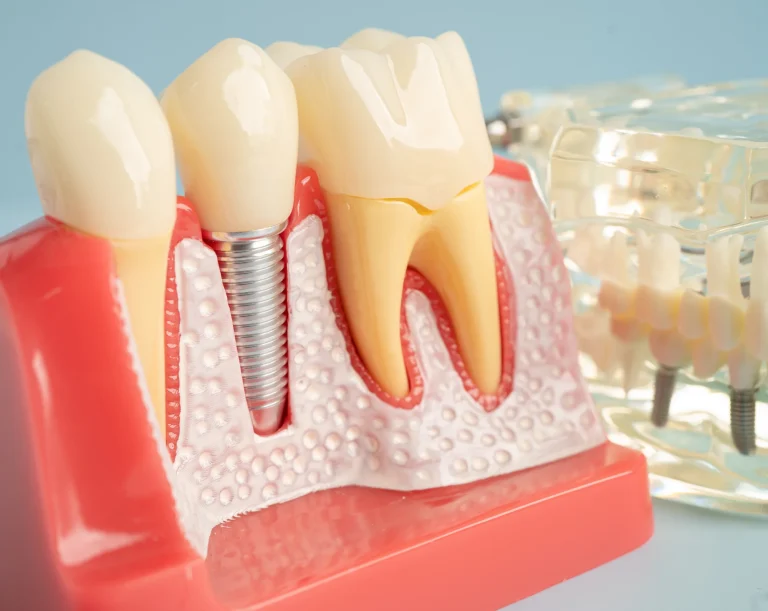
An implant is a small titanium post that takes the place of a natural tooth root. Once it integrates with the bone, it supports a crown, a bridge, or a full denture depending on what you need. The treatment is predictable when the planning is careful, and the planning is where we spend most of our attention.
Some people come in ready to move forward. Others want to understand the steps, the timeline, and the cost before they decide anything. Both are fine. We will not push you toward a treatment you are not sure about, and if something is outside our scope we will say so and refer you.
How a Dental Implant Is Planned and Placed
Implant treatment happens in stages, and the first stage is diagnostic. We use a NewTom VG3 cone-beam CT scanner in the office to capture a three-dimensional view of your jaw. Bone height, bone width, nerve location, and sinus position are all mapped in three dimensions before we propose a surgical plan. This is the difference between guessing and knowing.
If the bone is healthy and there is enough of it, the implant post can often be placed in a single appointment. You are numb for the procedure, and most patients describe the recovery as easier than they expected. After placement, the implant needs time to integrate with the bone, usually three to six months depending on the site and your healing.
Once the post is stable, we move to the restorative stage. An impression is taken, and a custom crown is fabricated to match the color and shape of your surrounding teeth. The crown is attached to the implant, your bite is checked, and the tooth is finished. For patients replacing several teeth at once, you may want to read about our work with single tooth replacement, multi-tooth bridges, and full-arch options.
If the bone has thinned from years without a tooth in that spot, a bone graft may be needed before placement. We will tell you that up front and explain why, rather than discovering it mid-procedure.
Who Is a Good Candidate for Implants, and Who Is Not
Most adults with reasonable general health and enough jawbone are candidates. Smoking, uncontrolled diabetes, and certain medications can affect healing, and we will talk through any of those before recommending surgery. None of those are automatic disqualifiers, but they do change how we plan.
Bone volume is the variable that surprises people most often. When a tooth has been missing for several years, the bone in that area shrinks because nothing is stimulating it. The cone-beam scan tells us whether the existing bone can hold an implant or whether a graft is the better starting point. If a graft is needed, we will explain the timeline before you agree to anything.
Gum health matters too. Active periodontal disease has to be addressed before placing an implant, and that work is sometimes done alongside scaling and root planing or other periodontal care. The point of all this groundwork is straightforward: an implant placed in a healthy mouth lasts. An implant placed in a mouth with untreated disease does not.
What Your Implant Treatment at Loveable Smiles Includes
Your first visit is a careful look and a conversation. Dr. Korenman reviews your history, examines the area, and walks you through the cone-beam imaging on screen so you can see what he sees. You will leave with a written treatment plan and a written estimate. No surprises later.
During the surgical visit, you are numb and comfortable. If anxiety has kept you out of a dental chair for a long time, tell us. We will talk through what sedation options make sense for your specific situation and your health history. After the procedure, Dr. Korenman calls you that evening to check in, and you have a direct number if anything comes up overnight.
The restorative phase includes the abutment, the custom crown, and the bite adjustments that make the tooth feel like yours. We also include follow-up visits to confirm the implant has integrated and the crown is wearing well. If you have other restorative or cosmetic work in mind for the same time period, we can sequence everything together so you are not making more trips than you need to.
How PPO Insurance Usually Handles Implant Treatment
Loveable Smiles works with most PPO dental plans. Implant coverage varies more than almost any other treatment, and the only honest way to know what your plan will pay is to look at your specific policy. We are happy to do that with you before you commit to anything.
Many PPO plans cover part of the crown that sits on top of the implant, and some cover a portion of the surgical placement or the bone graft. Others exclude implants entirely and treat them as cosmetic. We will read your benefits, estimate what insurance is likely to pay, and show you the remaining balance in writing. If financing makes the timing easier, we will explain the options we accept.
If you have not used your benefits this year, that is worth mentioning during your consult. We can sometimes sequence treatment in a way that uses this year’s maximum and next year’s maximum without slowing the clinical timeline.
Why a Well-Planned Implant Is Worth the Time It Takes
A dental implant, planned carefully and maintained well, is designed to last for decades. It does not develop cavities. It keeps the bone in that part of your jaw active, which helps your face hold its shape over time. And it lets you eat the food you actually want to eat, without working around a gap or a loose partial.
Outcomes depend on bone health, hygiene, and consistent care, which is why we do not rush the planning stage. A few extra weeks of preparation is worth far more than a fast placement that has to be revisited later. That is also why Dr. Korenman would rather tell you honestly that you need a graft, or that a bridge might serve you better, than sell you a treatment that is not the right fit.
Loveable Smiles is the only dental office to win the North Texas Business Ethics Award from the Dallas Business Journal. We mention that once and move on. The work itself is what we want you to judge us on, starting with the first conversation.
Dental Implant Questions We Hear Often
How long does the dental implant process take?
Most single implants take a few months from start to finish. The post is placed in one visit, then the bone needs time to integrate with it, usually three to six months depending on the site and your healing. After that, the abutment and custom crown are added. If a bone graft comes first, that adds healing time, and we will walk you through the full timeline before you agree to anything.
Does getting a dental implant hurt?
You are numb for the procedure, and most patients describe the recovery as easier than they expected. If anxiety has kept you out of the dental chair, tell us and we will talk through sedation options that fit your health history. Our team also calls you the evening after surgery to check in.
Will I need a bone graft first?
Not always. We use our in-office NewTom VG3 cone-beam CT scanner to measure the bone height and width in three dimensions. If there is enough healthy bone, the implant can go in without a graft. If there is not, we will tell you at the consultation and explain why, so nothing is discovered mid-procedure.
What affects the cost of a dental implant?
The biggest factors are how many teeth are being replaced, whether the implant supports a crown, a bridge or a full denture, and whether a graft or extraction is needed first. A single implant is usually made up of three parts: the implant post, the abutment and the crown. You get a written treatment plan and a written estimate before any work begins.
Does PPO insurance cover dental implants?
It depends on your plan. Many PPO plans cover part of the crown, and some contribute toward the implant or a bone graft, while others exclude implants entirely. Loveable Smiles works with most PPO plans, and we will review your benefits and show you the remaining balance in writing before you commit.
How long do dental implants last?
A dental implant that is planned carefully and maintained well is designed to last for decades. The implant itself does not develop cavities, but the gums and bone around it still need daily brushing, flossing and regular checkups. Outcomes depend on bone health, hygiene and consistent care.
Can I get an implant if I have gum disease?
Active gum disease needs to be treated before an implant is placed. That work is sometimes done alongside scaling and root planing or other periodontal care. An implant placed in a healthy mouth lasts, so we take care of the gums first.
Talk to Dr. Korenman About Replacing a Tooth
Bring your questions and your history. We will look carefully, explain what we see in plain language, and write down the fees before any work begins.