
Dental Bonding in Richardson, TX
A small chip, a worn edge, or a gap that has bothered you for years can often be fixed in a single visit. Dental bonding is one of the simplest cosmetic options we offer, and we will tell you up front whether it is the right call for what you want to change.
What Bonding Can and Cannot Do
Dental Bonding in Richardson TX is a tooth-colored composite resin shaped directly onto your tooth and hardened with a curing light. It is used to repair chips, close small gaps, cover surface stains that whitening will not lift, and reshape a tooth that looks shorter or more worn than the ones next to it. No lab work. No second appointment for a final piece to come back.
Bonding is conservative by design. In most cases we remove very little tooth structure, sometimes none at all, and the work is finished the same day you sit in the chair. That is a real advantage when the issue is small and the goal is to make a tooth look like itself again.
It also has limits, and we will say so. Bonding stains over time the way natural teeth do, it can chip under heavy bite force, and it is not the right material for a full smile makeover or for a tooth that has lost a large amount of structure. When the better answer is a veneer, a crown, or whitening first, Dr. Korenman will explain why before recommending bonding.
How a Bonding Appointment Actually Goes
Most bonding visits run between thirty minutes and an hour per tooth. We start with a careful look at the tooth, the bite, and the teeth around it, and we talk through the shape and shade you want before any material touches the tooth. If you are not sure what you want it to look like, that is a normal place to start, and we will sketch the options in plain language.
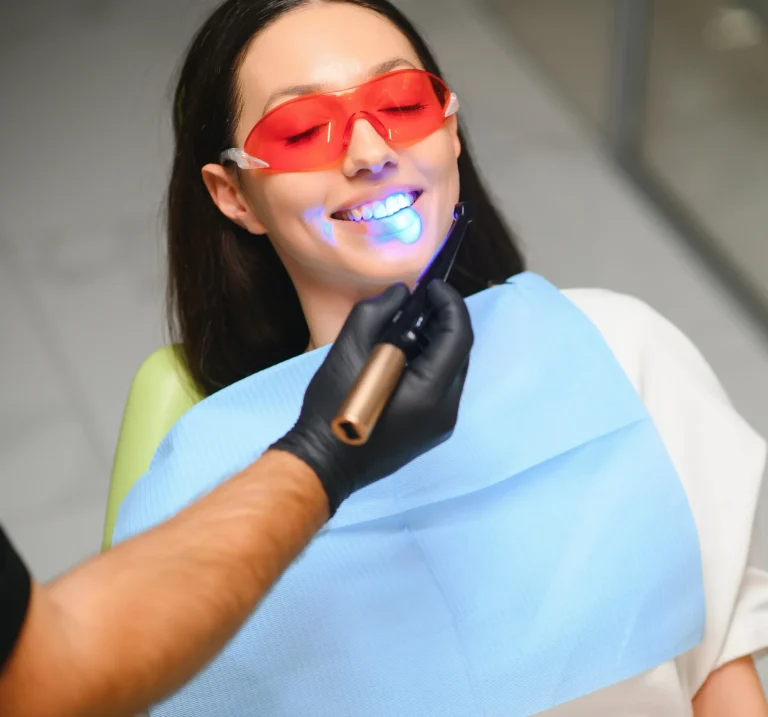
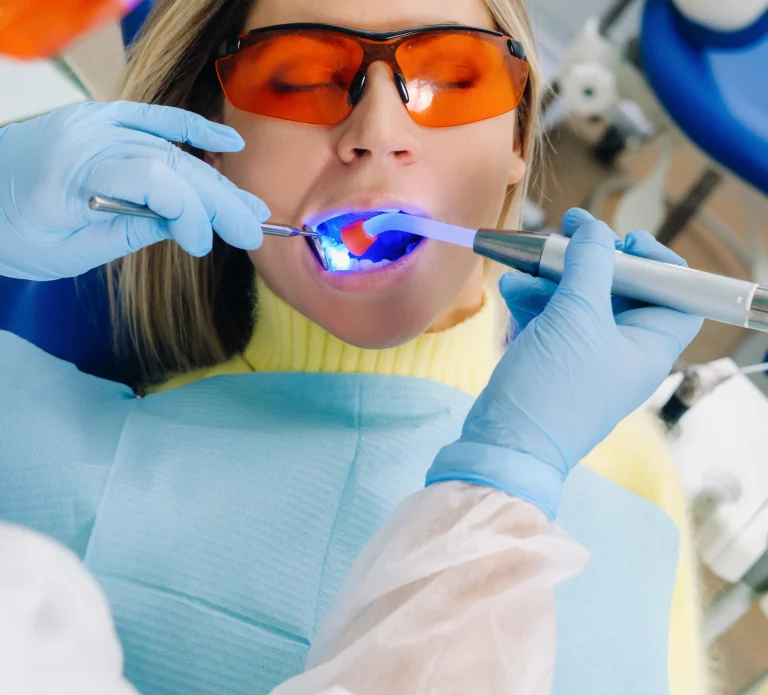
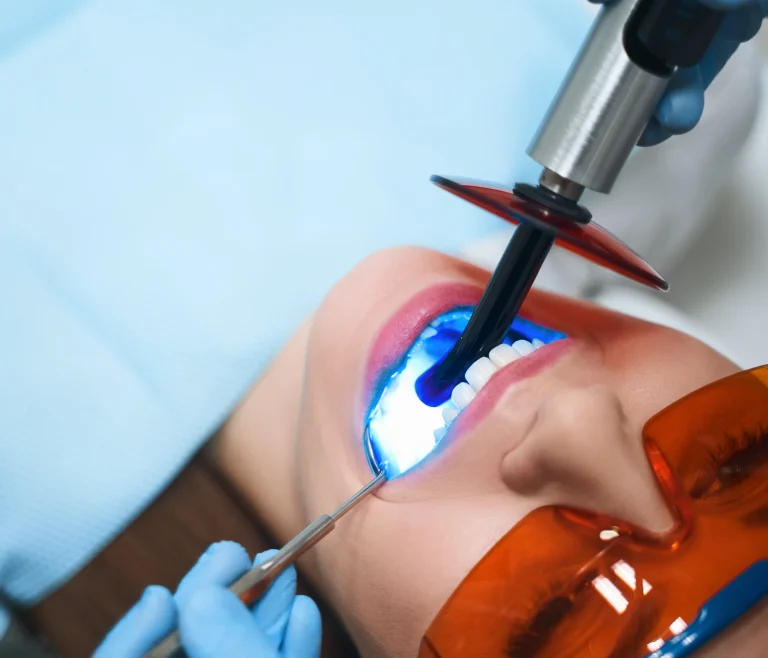
The surface of the tooth is lightly etched so the composite has something to grip. A bonding agent is applied, then the tooth-colored resin is placed in thin layers and shaped by hand. Each layer is cured with a blue light that hardens the material in seconds. Once the shape is right, we polish it down so the surface reflects light the way enamel does.
Anesthetic is usually not needed. If we are working close to a nerve or repairing decay at the same time, we will offer numbing and explain why. You will leave with a finished tooth, not a temporary, and you can eat and drink normally as soon as you walk out.
When Bonding Is the Right Fix and When It Is Not
Bonding tends to be the right call for a single chipped front tooth, a small gap between two teeth, a rough edge from grinding, or a stained spot that whitening did not change. It is also a reasonable option for younger patients who are not ready for veneers, and for adults who want to test a shape change before committing to porcelain.
It is usually not the right call when several front teeth need to match a uniform new shade and shape. Porcelain handles that job better and holds its color longer. We will point you toward our work on porcelain veneers or a broader cosmetic plan when that fits your goals more honestly than a bonding appointment would.
Bonding also depends on your bite. If you clench or grind at night, the composite can chip sooner than it should, and we may recommend a nightguard alongside the bonding so the work lasts. When something is outside our scope, or outside what bonding can reasonably do, we say so before any work begins.
What Is Included When Dr. Korenman Does Your Bonding
Every bonding appointment starts with a conversation. Dr. Korenman wants to know what is bothering you about the tooth, how long it has bothered you, and what you have already tried. That is the part that sets the rest of the visit. If you are anxious about the chair, tell us, and we will go at the pace you need.
Included in your treatment: the exam of the tooth and surrounding teeth, a shade match so the composite blends with the rest of your smile, the bonding procedure itself, shaping and polishing, and a bite check before you leave. We will also show you how to care for the bonded area at home, what to avoid in the first day or two, and what to expect over the years.
After the appointment, Dr. Korenman calls you that evening to check in, and he gives out a direct number in case anything feels off. Some people call that old-fashioned. We call it the way dentistry should work.
How Bonding Is Usually Billed and Covered
Cosmetic bonding done purely to change the look of a healthy tooth is generally considered elective and is not covered by dental insurance. Bonding done to repair a chipped, fractured, or decayed tooth is often covered the same way a composite filling would be, because it restores function and structure. We will look at your specific case and tell you which category it falls into before we schedule the work.
Loveable Smiles works with most PPO dental insurance plans. We will run your benefits, give you a written estimate of what insurance is expected to pay and what your portion would be, and answer questions about it in plain language. If financing makes the timing easier, we can walk you through the options at the front desk.
If you want to compare bonding against other cosmetic routes, our pages on cosmetic dentistry in Richardson TX and teeth whitening in Richardson TX explain how the choices fit together, and our team can pull cost estimates for each one at your consultation.
How Long Bonding Lasts and What It Is Worth
Well-placed bonding typically lasts five to ten years before it needs a touch-up or replacement, and sometimes longer when the bite is gentle and home care is consistent. It is not permanent, and we do not pretend otherwise. What it gives you is a same-day fix, a conservative approach to the tooth, and a cost that is meaningfully lower than porcelain.
For many patients, that combination is exactly right. A front tooth that has been chipped since high school can look whole again in an hour. A small gap that has bothered you in photos for a decade can close in one visit. When the problem is the right size for the material, bonding does honest work.
When it is not the right size for the material, we will say so and walk you through what would last longer. The goal is a result you are happy with in five years, not just on the drive home.
Talk to Dr. Korenman About Your Tooth
Bring the chip, the gap, or the spot you have been wondering about. We will look at it, tell you what bonding can do for it, and give you a clear estimate before you decide anything.